
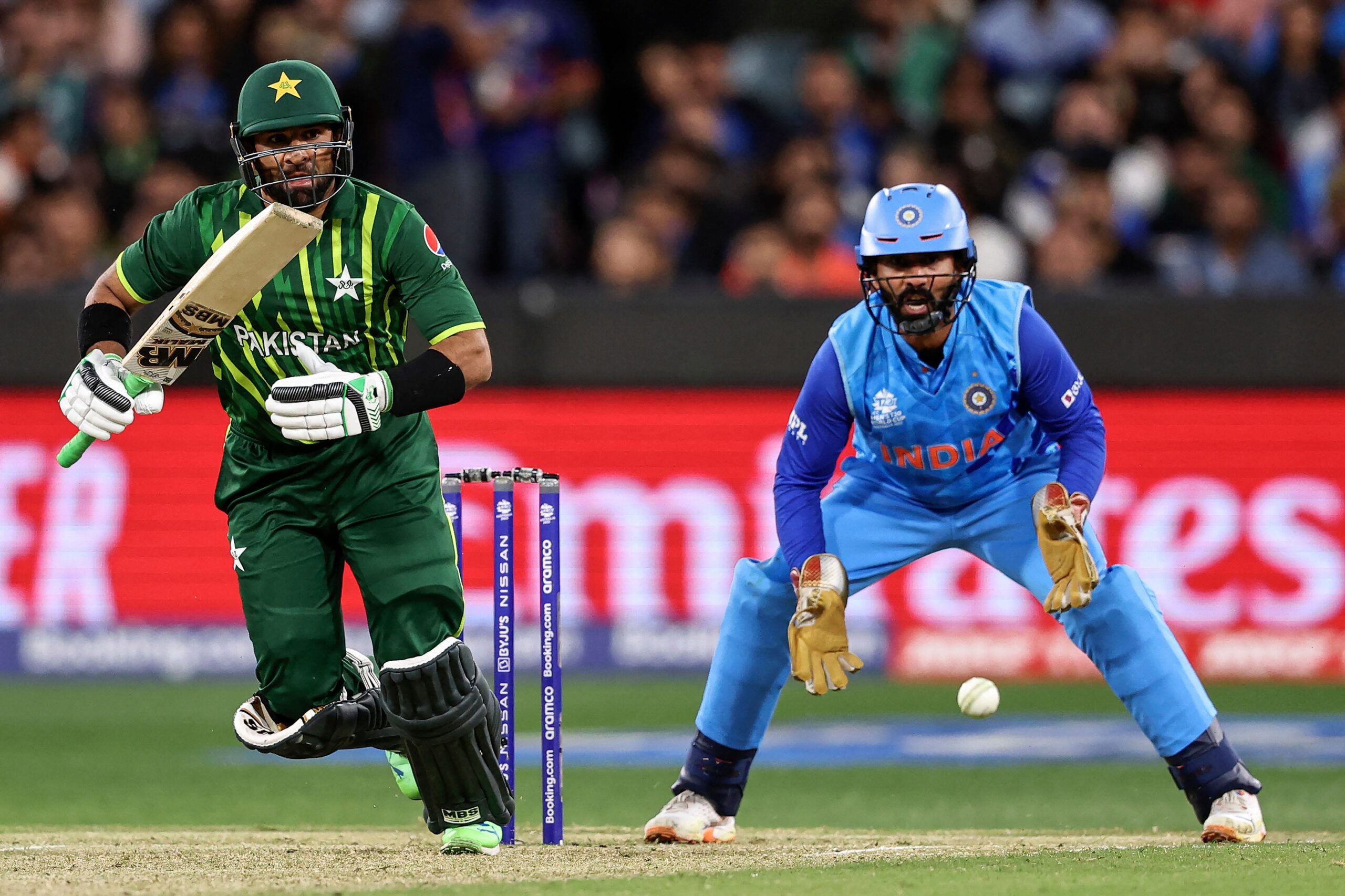
Online Cricket ID Explained: Benefits, Process & Choosing the Right Provider
The world of cricket is evolving rapidly, and technology is at the heart of this transformation. From live streaming matches to data‑driven performance analysis, digital tools are reshaping how the sport is played, managed, and enjoyed. One such innovation that is gaining momentum across clubs, academies, and governing bodies is the Online Cricket ID. This article provides an in‑depth look at what an Online Cricket ID is, why it matters, the steps to acquire one, and how to select a dependable Online Cricket ID Provider.
What Is an Online Cricket ID?
An Online Cricket ID is a unique digital identifier assigned to every registered cricket participant—players, coaches, umpires, and officials. Think of it as a passport for cricket activities in the digital arena. The ID links to a secure online profile that stores essential information such as personal details, playing statistics, disciplinary records, and eligibility status.
Instead of relying on paper forms, handwritten logs, or disparate databases, the Online Cricket ID centralises data in a cloud‑based platform accessible to clubs, leagues, and national boards. The result is a streamlined process for registration, verification, and ongoing management of cricketing personnel.
Key Benefits for Stakeholders
| Stakeholder | Benefit |
|---|---|
| Players | Instant verification, easy access to performance records, and smoother transfers between clubs. |
| Coaches & Officials | Transparent tracking of qualifications, certifications, and appointment history. |
| Clubs & Academies | Reduced administrative overhead, accurate roster management, and quick eligibility checks. |
| Governing Bodies | Enhanced compliance, data integrity, and the ability to generate real‑time analytics for talent scouting and policy making. |
Beyond these practical advantages, the Online Cricket ID fosters a professional ecosystem where every stakeholder is accountable and recognized at a national or even international level.
How the System Works
- Registration: The individual (or a club representative) completes an online form, providing personal, contact, and cricket‑related details.
- Verification: Supporting documents—such as identity proof, birth certificate, and past playing certificates—are uploaded for validation.
- Issuance: Once verified, a unique numeric/alphanumeric code is generated and assigned as the Online Cricket ID.
- Profile Creation: The ID links to an online dashboard where the user can update statistics, view match histories, and manage permissions.
- Integration: Clubs, leagues, and cricket boards can integrate the ID system with their own management software via APIs, ensuring seamless data flow.
The Role of an Online Cricket ID Provider
While the concept appears straightforward, its successful implementation hinges on a reliable provider. An Online Cricket ID Provider supplies the technological backbone, ranging from secure cloud hosting to API connectivity, user‑interface design, and compliance with data‑privacy regulations (e.g., GDPR or India’s PDP). The provider’s responsibilities include:
- Security: Encryption of data at rest and in transit, regular security audits, and multi‑factor authentication for user access.
- Scalability: Ability to handle millions of IDs without performance degradation, essential for national boards.
- Support: 24/7 technical help desks, training modules for administrators, and timely updates.
- Customization: Tailored fields for region‑specific requirements (e.g., age‑group categories, state association codes).
Selecting the right provider is as critical as the ID itself; a weak provider can expose sensitive data or cause operational bottlenecks.
Step‑by‑Step Guide to Obtaining Your Online Cricket ID
1. Choose a Certified Provider
Begin by researching providers that are officially recognised by your cricket board or association. Look for certifications, case studies, and client testimonials.
2. Gather Required Documents
Typical documents include:
- Government‑issued photo ID (Aadhaar, Passport, etc.)
- Birth certificate (to verify age groups)
- Previous playing or coaching certificates
- Medical fitness clearance (if applicable)
3. Complete the Online Application
Navigate to the provider’s portal, fill in personal and cricket‑related fields, and upload the scanned documents. Most platforms guide you through each step with tooltips and validation checks.
4. Pay the Processing Fee
Fees vary by provider and region. They generally cover verification costs, system maintenance, and future updates. Ensure the payment gateway is secure (SSL‑encrypted) before entering card details.
5. Await Verification
Verification times range from a few hours to 48 hours, depending on document complexity and provider workload. You’ll receive status notifications via email or SMS.
6. Receive Your ID & Dashboard Access
Once approved, you’ll be emailed your unique Online Cricket ID and a link to your personal dashboard. Log in, set a strong password, and enable two‑factor authentication.
7. Keep Your Profile Updated
Regularly update match statistics, injury records, and contact details. Many providers send automated reminders for annual renewals or missing information.
Security and Privacy Considerations
Given that the Online Cricket ID houses personally identifiable information (PII), security cannot be an afterthought. Here are best practices for both users and administrators:
For Users
- Use a unique, strong password—mix letters, numbers, and symbols.
- Enable two‑factor authentication (SMS or authenticator app).
- Never share your ID or login credentials with untrusted parties.
- Review privacy settings to control who can view your data.
For Administrators
- Implement role‑based access controls (RBAC) to limit data exposure.
- Conduct quarterly penetration tests and vulnerability scans.
- Maintain an incident‑response plan for data breaches.
- Ensure compliance with local data‑protection laws.
Impact on Cricket Governance and Talent Development
Digital IDs have far‑reaching implications for the sport’s governance:
- Eligibility Verification: Faster clearance for age‑group tournaments, avoiding last‑minute disputes.
- Anti‑Doping & Disciplinary Tracking: A unified record of sanctions ensures consistent enforcement across leagues.
- Talent Identification: Analysts can query the database for high‑performing players in specific regions, enabling data‑driven scouting.
- Financial Transparency: Linking player contracts and match fees to IDs facilitates accurate payment processing and audit trails.
In essence, the Online Cricket ID bridges the gap between grassroots cricket and elite competition, fostering a merit‑based pathway for emerging talent.
Future Trends: What’s Next for Digital Cricket IDs?
As cricket embraces more technology, the Online Cricket ID will likely evolve in the following ways:
- Blockchain Integration: Immutable ledgers could store match‑day performance data, ensuring tamper‑proof records.
- Biometric Authentication: Fingerprint or facial recognition could replace passwords for higher security.
- IoT Connectivity: Wearable sensors linked to the ID could feed real‑time fitness metrics directly into a player’s profile.
- Cross‑Sport Portability: An ID framework adaptable for other sports, creating a unified athlete ecosystem.
Stakeholders who adopt these innovations early will gain a strategic advantage in player management, fan engagement, and operational efficiency.
Frequently Asked Questions (FAQs)
Is the Online Cricket ID mandatory?
Many national boards are moving towards mandatory adoption, especially for official tournaments and registration processes. However, adoption may vary by region and competition level.
Can I transfer my ID to a different provider?
Usually, the ID itself remains tied to the issuing authority (often the national board). Switching providers typically involves migrating data under the same umbrella authority, not changing the ID number.
What happens if I lose access to my account?
Contact the provider’s support team with proof of identity. After verification, they will reset your credentials. Maintaining up‑to‑date contact information helps streamline this process.
Are there any hidden costs?
Transparent providers disclose all fees—initial issuance, annual renewal, and optional premium features—up front. Always read the terms of service before paying.
How long does the ID remain valid?
Validity periods differ, but most IDs are renewable annually. Players moving between age categories may need to update certain fields, but the core ID stays the same.
Choosing the Right Provider: A Quick Checklist
- Accreditation: Verify that the provider is recognized by your cricket board.
- Security Standards: Look for ISO 27001 certification or comparable security frameworks.
- User Experience: A clean, mobile‑responsive dashboard reduces learning curves.
- Integration Capability: Ensure APIs are well‑documented for seamless connection with existing management software.
- Customer Support: 24/7 chat or phone support is vital during tournament registration spikes.
By conducting thorough due diligence, you safeguard the integrity of your cricketing data and streamline administrative workflows.
Conclusion
The Online Cricket ID represents a pivotal step toward a more transparent, efficient, and data‑driven cricket ecosystem. It empowers players with a verifiable digital identity, equips coaches and officials with accurate records, and gives governing bodies the tools needed for robust governance and talent development. However, the success of this system rests heavily on the quality of the Online Cricket ID Provider chosen.
Whether you are a club administrator preparing for the upcoming season, an aspiring cricketer eager to showcase your credentials, or a board official looking to modernise registration processes, embracing the Online Cricket ID is no longer optional—it is essential. By following the steps outlined in this guide and partnering with a reputable provider, you can unlock a future where cricket administration is as smooth and dynamic as the game itself.